In today's world, where security concerns are at an all-time high, having a robust surveillance solution is essential for protecting assets, property, and people. One of the most effective ways to achieve this is through the use of surveillance trailers near Burbank CA. However, before investing in such technology, it is crucial to understand the various location factors that can significantly impact the effectiveness of your surveillance setup. Choosing the right location for your surveillance trailer near Burbank CAsurveillance trailer near Burbank CA can make a difference between a successful security operation and one that falls short of expectations. Factors such as visibility, accessibility, environmental conditions, and local regulations play a vital role in determining how well your surveillance trailer near Burbank CA will perform.
In this article, we will delve into the intricacies of evaluating location factors for security surveillance trailers, providing you with insights that will help you make informed decisions tailored to your specific needs. Join us as we explore the critical elements to consider when assessing potential locations for your surveillance trailer, ensuring you maximize its effectiveness while minimizing risks. Whether you are a business owner looking to safeguard your premises or a security professional tasked with implementing comprehensive monitoring solutions, understanding these location factors is imperative to achieving optimal security outcomes. When it comes to Evaluating Location Factors for security surveillance trailers, understanding the different types available is essential. Surveillance trailers come in various models, each designed for specific applications. For instance, mobile surveillance trailers are equipped with advanced technology such as high-definition cameras, motion sensors, and wireless connectivity, making them ideal for event monitoring.
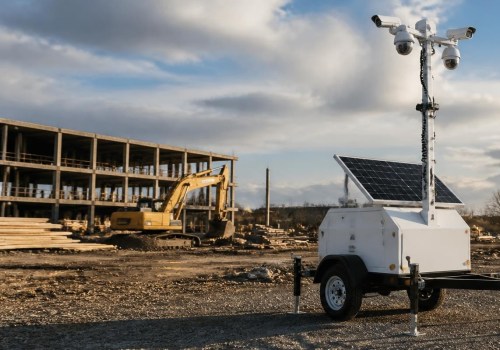
They can be deployed quickly to provide security for large gatherings like concerts or festivals. These trailers often feature a 360-degree camera system that allows for comprehensive coverage of the area, ensuring that all activities are monitored effectively. Another type is the construction site surveillance trailer. These units are built to withstand harsh environments and typically come with ruggedized features. They are equipped with night vision cameras and can operate in various weather conditions, making them essential for maintaining security on construction sites where valuable equipment and materials are often left unattended.
The ability to monitor these sites remotely through a secure connection is a significant advantage, allowing site managers to keep an eye on operations from anywhere. When considering rental options for surveillance trailers, it’s important to note that availability can vary by location. Some companies offer flexible rental agreements that allow clients to rent trailers for short-term events or long-term projects. Depending on the region, these options may include full-service rentals where companies manage installation and maintenance or basic rentals where users are responsible for setup. This flexibility helps clients choose a solution that best fits their specific needs while also considering budget constraints. In terms of pricing, there is a wide range of costs associated with different models of surveillance trailers.
High-end mobile trailers equipped with advanced technology may range from $10,000 to $50,000 or more, depending on features such as camera quality and connectivity options. On the other hand, basic models designed for simpler applications may be available for less than $5,000. User reviews often highlight the importance of selecting a model that not only fits budgetary limits but also meets specific security needs effectively. Environmental factors play a critical role in the effectiveness of surveillance trailers. The terrain of the location can impact both the placement and functionality of the trailer.
For example, uneven or rugged terrains may necessitate additional stabilizing equipment or adjustments to ensure that cameras maintain optimal viewing angles. Similarly, adverse weather conditions such as heavy rain or snow can affect visibility and accessibility; thus, it is vital to consider these elements when positioning a trailer. Visibility is another crucial aspect of trailer placement. A well-placed surveillance trailer should be in an area that maximizes its ability to capture critical footage while being discreet enough to avoid drawing attention from potential wrongdoers. Locations with natural obstructions like trees or buildings can hinder camera effectiveness; therefore, evaluating the surrounding environment is essential. Finally, local regulations or permits can significantly impact the use of surveillance trailers in certain areas.
Some municipalities may require permits for deploying surveillance equipment in public spaces or have restrictions on where trailers can be placed. Understanding these regulations ahead of time can save time and resources and ensure compliance with local laws. In conclusion, evaluating location factors is paramount when choosing a security surveillance trailer. By understanding the various types available, considering rental options, comparing pricing and features, and taking into account environmental factors and local regulations, you can make an informed decision that enhances your security measures effectively.
Types of Surveillance Trailers
When evaluating location factors for security surveillance trailers, it is essential to understand the types of surveillance trailers available on the market. Each type offers unique features tailored to specific environments and security needs.Mobile Surveillance Trailers
are designed for quick deployment and flexibility.These trailers are equipped with advanced cameras and monitoring systems, making them ideal for temporary setups at construction sites or public events. Their mobility allows security teams to reposition them as the situation evolves.
Static Surveillance Trailers
provide a permanent solution for monitoring specific locations. These trailers are often equipped with high-definition cameras, motion detectors, and alarm systems. They are best suited for areas that require constant surveillance, such as parking lots or remote properties.Solar-Powered Surveillance Trailers
are an eco-friendly option that harnesses solar energy to power surveillance equipment.These trailers are perfect for locations without access to electricity, such as rural areas or large outdoor events. Their sustainability can also reduce operational costs in the long run.
Wireless Surveillance Trailers
utilize cellular networks to transmit video feeds, eliminating the need for extensive wiring. This feature makes them highly versatile for locations where traditional connectivity is challenging, such as forests or remote construction sites. Understanding these various types of surveillance trailers and their features is crucial when assessing how location factors influence the effectiveness of surveillance and safety measures in different scenarios.Applications for Surveillance Trailers
Surveillance trailers have become essential in various settings, providing security and monitoring capabilities that can be tailored to specific needs.Construction sites
are one of the prime applications for these trailers.In such environments, where valuable equipment and materials are often left unattended, the presence of a surveillance trailer can deter theft and vandalism. The trailer can be strategically placed to cover blind spots and ensure comprehensive monitoring of the site. Another significant application is during outdoor events, such as concerts, festivals, or sporting events. Here, surveillance trailers can serve as mobile command centers, equipped with cameras that monitor crowds and ensure safety. Their mobility allows for flexible positioning, adapting to the event's layout and crowd movement.
This capability is crucial for quickly identifying and addressing potential security threats. Additionally, parking lot monitoring is a vital area where surveillance trailers can be effectively deployed. With many vehicles parked in open areas, these trailers provide a visible security presence that can deter criminal activity. They can also be used to monitor traffic flow and manage access control during peak hours, ensuring that both vehicles and pedestrians are safe. In summary, evaluating location factors is crucial when considering the deployment of surveillance trailers. By understanding the specific needs and characteristics of each scenario—be it a construction site, an outdoor event, or a parking lot—users can maximize the effectiveness of their surveillance efforts.
Key Features and Specifications
When evaluating location factors for security surveillance trailers, it is crucial to consider key features and specifications that can significantly impact their performance.Selecting the right surveillance trailer involves understanding how various components can cater to specific needs based on the location.
Camera Quality
is one of the most critical aspects. High-resolution cameras ensure clear images, which are vital for identifying individuals or incidents. Look for trailers equipped with cameras that offer at least 1080p resolution, along with features such as night vision and wide-angle lenses to cover more ground.Storage Capacity
is another essential specification. The amount of footage that can be stored directly affects how long you can monitor a location without needing to delete old data.Consider trailers that come with substantial internal storage or allow for external storage solutions like cloud backup. Power options are also key when assessing surveillance trailers, especially in remote locations. Ensure that the trailer has reliable power sources, whether through solar panels, generators, or battery systems. This flexibility allows for continuous operation even in areas where electricity may not be readily available. Finally, mobility should not be overlooked. The ability to transport the surveillance trailer easily to different locations is essential, particularly for projects like construction sites or public events where the security needs may change frequently.
Look for trailers designed with towing capabilities and durable wheels that can navigate various terrains. By focusing on these key features and specifications, you can make an informed decision that aligns with the unique location factors relevant to your security needs.
Rental Options and Cost Considerations
When it comes to securing a location with surveillance trailers, understanding rental options is crucial. Many businesses face the dilemma of whether to rent or purchase a surveillance trailer, and this decision can significantly impact their budget and operational efficiency. Rental options for surveillance trailers can vary widely in terms of pricing structures. Typically, rental fees are charged on a daily, weekly, or monthly basis, depending on the duration of your needs. For short-term projects such as construction sites or public events, renting may be more cost-effective than purchasing a trailer outright. When considering rental options, it's essential to evaluate not only the cost but also what is included in the rental agreement.Some rental companies may offer additional services, such as setup and maintenance, which can save you time and effort. Additionally, inquire about insurance coverage provided with the rental to protect against potential damages. On the other hand, if your surveillance needs are ongoing or require a long-term solution, purchasing a surveillance trailer might be more economical in the long run. Owning a trailer allows for greater customization according to your specific location factors, ensuring that it meets your security requirements effectively. Ultimately, the choice between renting and purchasing should depend on your specific circumstances, including budget constraints, project duration, and the importance of flexibility in adapting to changing location factors.
Understanding Location Factors
When it comes to evaluating location factors for security surveillance trailers, several key elements must be considered to ensure optimal performance. The terrain of the chosen site plays a significant role in the placement of surveillance equipment.For instance, uneven or rugged landscapes can obstruct camera views and limit the effectiveness of surveillance systems. Additionally, weather conditions are crucial when determining the location for surveillance trailers. Areas prone to heavy rain, snow, or extreme temperatures may require specialized equipment to withstand harsh conditions and maintain functionality. It's essential to select trailers that are designed for durability in specific climates to ensure they provide reliable security monitoring. Local regulations can also impact the installation and operation of surveillance trailers. Different jurisdictions may have varying laws regarding privacy, zoning, and the use of surveillance equipment in public or private spaces.
Understanding these regulations is vital to avoid legal complications and ensure that surveillance efforts comply with local laws. For example, in scenarios such as construction sites, where materials and equipment are often left unattended, positioning surveillance trailers in strategic locations can help deter theft and monitor site activity effectively. Similarly, during public events, placing trailers at entrances or high-traffic areas enhances coverage and ensures safety measures are in place. In summary, careful consideration of terrain, weather conditions, and local regulations is fundamental when evaluating location factors for security surveillance trailers. Each factor contributes significantly to the overall effectiveness of the surveillance system and should be thoroughly assessed before making a decision.
Comparing Different Models
When selecting a security surveillance trailer, it is essential to compare different models to ensure that you choose the best option for your specific location and needs. Each model comes with its unique set of features, pricing, and suitability for various environments.Model A
is a cost-effective option that offers basic surveillance capabilities.Priced at around $10,000, it includes standard cameras and a simple monitoring system. User reviews indicate that this model is particularly effective in construction sites where budget constraints are a concern, but it may lack advanced features needed for high-security areas. On the other hand, Model B is a mid-range trailer priced at $15,000. It boasts enhanced features such as night vision capabilities and motion detection alerts. Users have noted its effectiveness during public events, as it provides comprehensive coverage and real-time monitoring.
However, some users feel that its price point may be too high for smaller venues. For those looking for top-of-the-line features, Model C is an excellent choice at a price of $25,000. It offers state-of-the-art technology including remote access, cloud storage, and advanced analytics. Reviewers praise its adaptability to various locations, making it suitable for both construction sites and large-scale public events. However, the investment may not be justifiable for smaller projects. In summary, when comparing different surveillance trailer models, consider factors such as price, features, user reviews, and their suitability for specific locations.
This will ensure that you make an informed decision that aligns with your security needs and budget. In conclusion, evaluating location factors is an essential step in selecting the appropriate security surveillance trailer. Throughout this article, we have highlighted how various aspects such as the type of environment, potential threats, and specific use cases can significantly impact the effectiveness of your surveillance system. Whether you are monitoring a construction site or overseeing a large public event, understanding these factors allows you to tailor your choice to meet the unique demands of your situation. We encourage readers to take the time to assess their individual circumstances and requirements. By doing so, you will be better positioned to choose a surveillance trailer that not only meets your security needs but also enhances overall safety and operational efficiency.