In an increasingly security-conscious world, the need for effective surveillance solutions has never been more pressing. Understanding Security Requirements for a Surveillance Trailer near Sacramento CAUnderstanding Security Requirements for a Surveillance Trailer near Sacramento CA is crucial for ensuring that your assets are protected and your operations run smoothly. Whether you're a law enforcement agency, a private security firm, or a business owner looking to enhance your security measures, identifying the right features and specifications for your surveillance trailer near Sacramento CA can make all the difference. But where do you begin? With numerous options available in the market, each offering different capabilities and technologies, navigating the landscape of surveillance trailers near Sacramento CA can be daunting. This article aims to demystify the process by providing a comprehensive overview of what you need to consider when assessing your security requirements near Sacramento CA. From understanding the importance of high-quality cameras to ensuring adequate power supply and connectivity, every detail matters.
As you read through this guide, you will gain valuable insights into tailoring your surveillance solution to meet your unique needs. Join us as we explore the essential factors that contribute to an effective surveillance strategy, helping you make informed decisions that will enhance your security posture. As the demand for enhanced security measures continues to grow, the use of surveillance trailers has become a prominent solution for various environments. These mobile security units provide flexibility and robust monitoring capabilities, making them an ideal choice for different applications. In this article, we will discuss the various types of surveillance trailers available in the market, their features, specifications, and how they cater to specific security needs. One of the most common types of surveillance trailers is the compact trailer equipped with high-definition cameras.
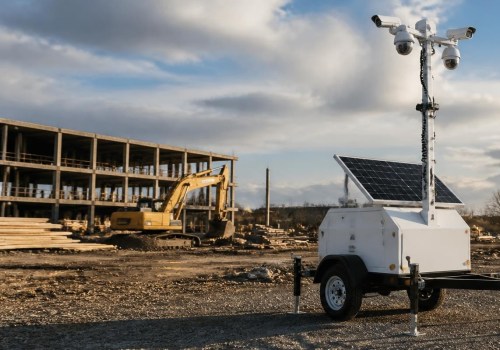
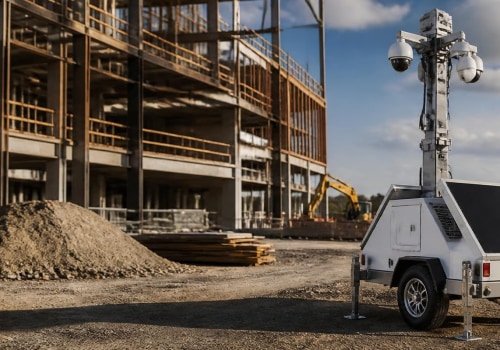
These units often come with features such as pan-tilt-zoom (PTZ) capabilities, night vision, and motion detection. For instance, models like the Mobile Surveillance Unit (MSU) offer 1080p camera quality, allowing for clear imaging both day and night. These trailers are particularly beneficial for monitoring construction sites, where theft and vandalism can be prevalent. Another type is the solar-powered surveillance trailer, which caters to locations lacking reliable power sources. These eco-friendly options not only reduce operational costs but also allow for extended deployment periods without the need for frequent battery changes or recharging.
An example is the SolarGuard Trailer, which comes with multiple cameras, motion sensors, and a solar panel system designed to keep surveillance running continuously. When discussing applications, it's important to highlight how these units serve different purposes. For event monitoring, a trailer such as the EventSecure Trailer provides comprehensive coverage with multiple cameras positioned strategically to capture every angle. This is essential for large gatherings like concerts or festivals where crowd control and safety are paramount. Comparing leading models reveals significant differences in terms of camera quality, mobility, and ease of use. The VisionPro Trailer, for example, offers superior 4K camera resolution but may come at a higher price point compared to models like the WatchTower Trailer, which provides adequate coverage at a more budget-friendly cost.
Mobility also varies; some trailers are designed with heavy-duty wheels for rough terrains while others prioritize lightweight designs for easier transportation. For those hesitant to purchase outright, rental options are widely available. Companies specializing in surveillance trailers often provide flexible rental agreements that allow businesses or individuals to secure a unit for short-term projects or events without committing to a full purchase. This is particularly appealing for businesses that may only need surveillance during peak seasons or for specific projects. Real-life case studies illustrate the effectiveness of these trailers in various scenarios. For instance, a construction firm in Texas utilized a surveillance trailer equipped with high-resolution cameras to monitor their site after experiencing repeated thefts.
By deploying this trailer, they reported a 75% reduction in theft incidents within the first month of operation. Similarly, a local city council employed a solar-powered unit during a summer festival, resulting in improved safety measures and quicker response times due to enhanced visibility. Potential objections regarding pricing and functionality often arise when considering the investment in surveillance trailers. However, data shows that businesses that implement these systems see significant cost savings in preventing losses from theft and vandalism. A survey conducted among users found that 85% reported high satisfaction levels with their surveillance solutions due to improved security and peace of mind.
By weighing these factors against the initial costs, many find that these units offer long-term financial benefits. In conclusion, understanding the various types of surveillance trailers, their features, and their applications is crucial for anyone looking to bolster security measures effectively. With options ranging from compact units to solar-powered solutions, there is a suitable trailer for every need and budget.
User Reviews and Insights
When it comes to Identifying Security Requirements for surveillance trailers, user reviews and expert insights play a crucial role in guiding potential buyers. These testimonials provide firsthand accounts of how different models perform in real-world scenarios, highlighting their strengths and weaknesses. Many users appreciate the reliability and effectiveness of various surveillance trailers in diverse environments, from construction sites to public events. For instance, a user might share their experience with a specific model's battery life, durability against weather conditions, or ease of setup.Such insights can help prospective buyers make informed decisions based on practical usage rather than just specifications. Expert reviews often delve deeper into the technical aspects of surveillance trailers, assessing features such as video quality, storage capacity, and integration with existing security systems. These assessments can reveal how well different models meet the security requirements of various applications, making them invaluable for those looking to invest in a reliable surveillance solution. By incorporating both user testimonials and expert evaluations, this section aims to provide a comprehensive overview of the available options, ensuring that readers can confidently choose the right surveillance trailer that aligns with their security needs.
Key Features and Specifications
When it comes to Identifying Security Requirements for surveillance trailers, understanding the key features and specifications is crucial. These components play a vital role in determining the effectiveness of the surveillance system in various environments. One of the most important features to consider is camera resolution. High-resolution cameras provide clearer images, allowing for better identification of individuals and activities.Look for trailers equipped with at least 1080p resolution cameras to ensure high-quality footage. Another essential aspect is the power supply options. Surveillance trailers must have reliable power sources to function effectively. Options may include solar panels, batteries, or connections to existing electrical sources. Depending on the location and duration of use, a combination of these power sources can enhance operational flexibility.
Mobility features
are also critical when assessing surveillance trailers.A trailer that can be easily transported or repositioned can adapt to changing security needs. Features such as sturdy wheels, a lightweight design, and towing capabilities ensure that the trailer can be deployed quickly and efficiently in various locations. In summary, focusing on these key specifications—camera resolution, power supply options, and mobility features—will help you identify the right surveillance trailer to meet your security requirements effectively.
Types of Surveillance Trailers
When exploring surveillance trailers, it is essential to understand that they come in various models, each designed to meet specific security needs. These trailers can be broadly categorized into three main types: basic units, mid-range units, and advanced units.Basic surveillance trailers
are equipped with standard features such as basic cameras and minimal recording capabilities. They are ideal for temporary installations in low-risk areas, providing fundamental surveillance for construction sites or events where security is a priority but the risk is relatively low. Moving up the spectrum, mid-range surveillance trailers offer enhanced features including higher resolution cameras, motion detection capabilities, and improved storage options.These units are suitable for more demanding environments such as parking lots or public gatherings where a higher level of security is required. They often include remote access functionalities, allowing users to monitor their property from anywhere. Finally, advanced surveillance trailers incorporate state-of-the-art technology such as thermal imaging cameras, integrated alarm systems, and advanced analytics software. These units are tailored for high-risk areas like airports, critical infrastructure sites, or major public events where comprehensive security measures are essential. They provide real-time monitoring and can be integrated with other security systems for maximum effectiveness. Understanding the different types of surveillance trailers available can help you make an informed decision based on your specific security requirements and ensure that you select the right solution for your needs.
Applications in Different Environments
Surveillance trailers have become essential tools for enhancing security across a variety of settings.Their versatility allows them to be employed effectively in different environments, each with unique security requirements.
Construction Sites
are prime locations for surveillance trailers. With valuable equipment and materials on-site, these areas are often targets for theft and vandalism. A surveillance trailer can be strategically positioned to monitor access points and deter unauthorized individuals. Equipped with high-definition cameras and motion detection, these trailers provide real-time monitoring that can alert site managers to suspicious activity. In the realm of public gatherings, such as concerts and festivals, events also benefit significantly from the deployment of surveillance trailers.These mobile units can be placed at key vantage points to ensure comprehensive coverage of large crowds. Not only do they serve as a visible deterrent against potential threats, but they also facilitate quick response times to incidents, ensuring the safety of attendees. Furthermore, emergency response situations can leverage surveillance trailers for situational awareness. During natural disasters or public safety incidents, these trailers can be quickly deployed to provide oversight and coordination for first responders. Their mobility and ease of setup make them invaluable assets in dynamic environments. Overall, the applications of surveillance trailers are vast and varied.
By understanding how these units can be tailored to meet the specific needs of different environments, organizations can make informed decisions about their security strategies.
Rental vs. Purchase Options
When considering a surveillance trailer, one of the first decisions to make is whether to rent or purchase the unit. Each option has its own set of advantages and disadvantages that can significantly impact your overall security strategy.Renting
a surveillance trailer can be an attractive choice for those who need short-term solutions or have limited budgets. One of the main benefits of renting is the lower upfront cost, which allows you to allocate funds to other pressing security needs.Additionally, rental agreements often include maintenance and support services, ensuring that the equipment is always in optimal condition without extra costs. However, there are some drawbacks to consider. Renting typically means you are not building any equity in the equipment, and rental fees can add up over time. If you find that you require a surveillance trailer for an extended period, it may become more cost-effective to purchase rather than continually pay rental fees. On the other hand, purchasing a surveillance trailer offers long-term benefits, especially for organizations with ongoing security needs. Owning a trailer means you have complete control over its use and customization options to fit your specific requirements.
Additionally, after the initial investment, there are no ongoing rental costs, which can lead to significant savings in the long run. That said, purchasing a surveillance trailer requires a higher upfront investment, which may not be feasible for everyone. Furthermore, maintenance and potential repairs become your responsibility, adding another layer of complexity to ownership. In conclusion, whether to rent or buy a surveillance trailer depends on your specific needs and financial situation. A thorough cost analysis considering both options will help you make an informed decision that aligns with your security requirements.
Comparative Analysis of Popular Models
When selecting a surveillance trailer, it is essential to compare different models to ensure that you choose one that best meets your specific security needs. Below is a comparison chart that outlines key differences among some of the most popular surveillance trailer models available on the market today.| Model | Camera Resolution | Storage Capacity | Battery Life | Mobility Features |
|---|---|---|---|---|
| Model A | 1080p | 1TB | 10 days | Trailer-mounted, easy tow |
| Model B | 4K | 2TB | 15 days | Self-contained, all-terrain |
| Model C | 720p | 500GB | 7 days | Standard trailer, limited mobility |
Model A, for instance, offers a good balance of quality and storage for short-term projects, while Model B's advanced 4K resolution and extended battery life make it ideal for long-term surveillance in remote areas.
Model C
, although lower in resolution and storage, might be suitable for budget-conscious buyers needing basic surveillance capabilities. Understanding these differences allows you to make an informed decision based on your unique security requirements and the environments in which the surveillance trailer will be deployed. In conclusion, understanding security requirements is crucial when selecting the right surveillance trailer for your needs. Throughout this article, we have discussed various types of surveillance trailers, their key features and specifications, and the advantages of both rental and purchase options. We also explored their applications across different environments and conducted a comparative analysis of popular models, supported by user reviews and insights. By highlighting the increasing demand for security in various settings, we reinforced the necessity of assessing your specific security needs.It is essential for readers to consider their unique requirements carefully, as this will enable them to choose a surveillance trailer that effectively addresses their concerns. We encourage you to explore the numerous options available in the market to ensure you make an informed decision that best suits your situation.