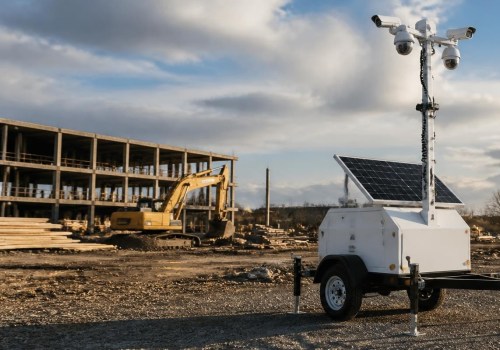
In an age where security is paramount, the technology behind surveillance has evolved dramatically, leading to a myriad of types of cameras used in various applications. Among the most innovative solutions are security surveillance trailers, which provide flexibility and adaptability for monitoring vulnerable areas. As we dive into the world of surveillance, it becomes crucial to understand the different types of cameras that can be deployed in these mobile units, including those found in a Surveillance Trailer near Bakersfield CA. From high-definition options that capture crystal-clear images to thermal cameras that detect heat signatures even in complete darkness, each type serves a unique purpose, catering to specific security needs. This article aims to explore the various in various applications. Among the most innovative solutions are security surveillance trailers, which provide flexibility and adaptability for monitoring vulnerable areas. As we dive into the world of surveillance, it becomes crucial to understand the different types of cameras that can be deployed in these mobile units, including those found in a Surveillance Trailer near Bakersfield CA. From high-definition options that capture crystal-clear images to thermal cameras that detect heat signatures even in complete darkness, each type serves a unique purpose, catering to specific security needs. This article aims to explore the various types of cameras used in security surveillance trailers, shedding light on their functionalities, advantages, and ideal use cases. By the end, you'll not only be informed about the technological advancements in surveillance systems but also equipped to make educated decisions when it comes to securing your property or event. Join us as we unravel the complexities of camera systems within security trailers and discover how these devices play a critical role in enhancing safety and security in our communities. Surveillance trailers have become an integral part of modern security applications, providing a mobile and flexible solution for monitoring various environments, including those near Bakersfield CA.
As users increasingly turn to these trailers for enhanced security measures, understanding the types of cameras used becomes crucial in selecting the right equipment for their specific needs. This article delves into the different types of cameras commonly found in security surveillance trailers, including fixed cameras, PTZ (Pan-Tilt-Zoom) cameras, thermal imaging cameras, and dome cameras. Fixed cameras are one of the most straightforward options available. These cameras are designed to remain in a stationary position, capturing a wide-angle view of a particular area. They typically come with resolutions ranging from 720p to 4K, providing clear images that are vital for identifying individuals or monitoring activities.
One of the advantages of fixed cameras is their simplicity; they require minimal setup and maintenance. However, their main disadvantage is that they can only monitor one specific area at a time, making them less versatile than other types. Fixed cameras are ideal for locations where consistent monitoring of a designated area is necessary, such as entrances to buildings or parking lots. PTZ cameras offer greater flexibility as they can pan, tilt, and zoom in on specific areas of interest. These cameras often feature high-resolution capabilities, ranging from 1080p to 4K, and come equipped with advanced night vision features that allow for effective monitoring in low-light conditions.
The ability to control the camera remotely adds to their appeal, making them suitable for dynamic environments where security needs may change frequently. However, PTZ cameras can be more expensive and may require additional training for operators to utilize their full potential effectively. They are particularly useful in large areas like construction sites or public events where monitoring multiple zones is crucial. Thermal imaging cameras represent a significant advancement in surveillance technology. Unlike traditional cameras that rely on visible light, thermal cameras detect heat signatures, making them effective even in total darkness or challenging weather conditions.
These cameras can provide excellent resolution and often come with features like motion detection and video analytics. The primary advantage of thermal imaging is its ability to identify heat sources, which can be particularly useful for detecting intruders or monitoring wildlife in remote areas. However, they tend to be more costly than standard surveillance options and may have limitations in detail compared to visible light cameras. For instance, thermal cameras are often utilized in high-security areas such as military installations or border patrol operations. Dome cameras are another popular option for surveillance trailers.
Their discreet design makes them less obtrusive than traditional models, which can deter potential intruders simply by their presence. Dome cameras typically offer good resolution (ranging from 720p to 1080p) and can be equipped with features such as infrared night vision and weather resistance ratings suitable for outdoor use. The main advantage of dome cameras is their versatility; they can be mounted on ceilings or walls and come with tamper-resistant designs. However, their field of view may be limited compared to PTZ options.
Dome cameras work well in areas requiring unobtrusive monitoring while still delivering quality surveillance footage. When considering camera systems for surveillance trailers, it’s essential to compare popular camera models and specifications to make informed decisions. For example, the Hikvision DS-2CD2385FWD-I is a widely used fixed camera known for its impressive 8MP resolution and excellent low-light performance. In contrast, the Dahua SD49225T-HN is a reliable PTZ model that offers 25x optical zoom and smart tracking capabilities. Thermal options like the FLIR FC-Series ID deliver exceptional heat detection features but come with a higher price tag. Rental options for surveillance trailers are also available for businesses or individuals who may need temporary security solutions.
Users can choose from various setups based on their specific requirements—whether they need short-term rentals for events or longer-term solutions for ongoing projects. Pricing information varies widely depending on factors such as camera quality, features included (like cloud storage or advanced analytics), and rental duration. Factors influencing costs include the quality and specifications of the selected cameras, installation fees if applicable, and any additional services such as monitoring or maintenance contracts. User reviews and testimonials play a crucial role in guiding potential buyers towards making informed decisions regarding their purchases. Positive feedback from previous users helps build credibility around specific models or rental services. In conclusion, understanding the different types of cameras used in security surveillance trailers is vital for selecting the right system tailored to specific security needs.
Whether opting for fixed cameras for steady monitoring or PTZ models for dynamic observation, each type presents unique advantages and scenarios where they excel. As technology continues to evolve, staying informed about these options will aid users in enhancing their security measures effectively.
Rental Options and Pricing
When considering the acquisition of surveillance trailers, understanding the rental options available is essential for making a cost-effective decision. Various rental models cater to different needs, allowing users to choose the most appropriate option based on their specific requirements. Common rental models include short-term rentals, typically utilized for temporary projects or events; long-term leases, which are ideal for ongoing security needs; and pay-per-use arrangements, where users are charged based on the duration of use. The pricing of surveillance trailers can vary significantly due to several factors.These include the type of camera systems integrated within the trailer, the level of technology employed, and any additional features such as mobile monitoring capabilities. Furthermore, geographical location can influence rental costs, as areas with higher demand for surveillance solutions may see increased pricing. It’s also important to consider any included services, such as maintenance and support, which can impact overall expenses. Lastly, users should evaluate their specific security needs and compare various rental options to determine the most suitable financial commitment. By understanding these factors, individuals and organizations can make informed decisions that align with their budget while ensuring effective surveillance solutions.
Key Features of Surveillance Cameras
When evaluating different surveillance camera options, buyers should consider several important specifications to ensure they select the right camera for their security trailer.One of the primary features to look for is resolution. Higher resolution cameras provide clearer images, which are crucial for identifying faces and license plates in surveillance footage. Common resolutions include 1080p (Full HD) and 4K, with the latter offering superior clarity. Another key specification is field of view (FOV). This indicates how much area the camera can cover, with wider angles allowing for greater coverage.
Cameras with adjustable lenses can also be beneficial, as they allow users to zoom in on specific areas while maintaining a broader view when needed. Buyers should also consider night vision capabilities. Many surveillance cameras come equipped with infrared technology, enabling them to capture clear images in low-light conditions. This feature is essential for round-the-clock security monitoring. Additionally, weather resistance is a critical factor, especially for outdoor surveillance trailers. Cameras with a high Ingress Protection (IP) rating can withstand harsh weather conditions, ensuring reliable performance regardless of the environment. Lastly, connectivity options, such as Wi-Fi and Ethernet capabilities, should not be overlooked.
These features determine how easily the cameras can be integrated into existing security systems and how they transmit data to monitoring stations.
Use Cases for Surveillance Trailers
Surveillance trailers have become increasingly vital in various sectors, providing flexible and mobile security solutions. Their adaptability makes them suitable for numerous applications across different environments. One primary use case is in construction sites, where theft and vandalism can lead to significant financial losses. Surveillance trailers equipped with high-definition cameras can monitor the site 24/7, deterring potential thieves and providing crucial evidence if an incident occurs. Another practical application is in event security. Whether it's a concert, festival, or sporting event, surveillance trailers can be deployed to monitor large crowds.They help ensure the safety of attendees by identifying suspicious behavior and allowing security personnel to respond quickly. In remote locations, such as oil rigs or mining operations, surveillance trailers are invaluable. These areas often lack permanent security infrastructure, making mobile surveillance an effective option to monitor activities and protect assets. Additionally, public safety is enhanced through the deployment of surveillance trailers in urban areas. They can be set up during emergency situations, such as natural disasters or civil unrest, to provide real-time monitoring and support law enforcement efforts. Lastly, law enforcement agencies utilize surveillance trailers for various operations, including drug busts or monitoring high-crime areas. The ability to relocate these units quickly allows for strategic placement where they are most needed. Overall, the diverse use cases for surveillance trailers highlight their essential role in modern security strategies across multiple environments.
User Reviews and Feedback
When it comes to the effectiveness of surveillance trailers, user reviews and feedback play a critical role in understanding how different types of cameras used perform in various settings.Many users have expressed their satisfaction with the clarity and detail provided by high-definition cameras. These users often highlight that the ability to capture clear images, even in low-light conditions, significantly enhances security measures. On the other hand, some users have reported challenges with older analog camera systems. They noted that while these cameras can be cost-effective, the quality of footage does not meet their expectations, particularly when trying to identify individuals at a distance. This feedback suggests a growing trend towards investing in more advanced digital camera systems that offer superior image quality and features. Users also frequently discuss the importance of camera mobility and ease of installation.
Many appreciate wireless options for their flexibility and ease of setup, which is particularly beneficial for temporary or mobile surveillance trailers. Positive reviews often mention how quickly they could deploy these systems in various locations without the need for extensive wiring. Moreover, user experiences emphasize the importance of integration with other security features. Cameras that can easily connect to motion sensors or alarm systems receive favorable feedback, as they contribute to a more comprehensive security solution. Users often recommend looking for cameras that offer remote access capabilities so they can monitor feeds in real-time from their devices. In summary, user reviews suggest that selecting the right types of cameras used in surveillance trailers is paramount.
The consensus is clear: investing in high-quality, modern camera systems not only enhances security but also provides peace of mind for users operating in various environments.
Comparing Different Models
When selecting a surveillance trailer, one of the most critical decisions involves the choice of camera systems. Different models come with varying features, specifications, and capabilities that cater to diverse security needs. Here, we will compare some leading camera models to assist users in making informed choices. First, let’s look at the HD 1080p Camera. This model is favored for its high-resolution imaging, which provides clear video footage even in low-light conditions.It typically includes infrared capabilities for night vision, making it ideal for 24/7 surveillance. In contrast, the 4K Ultra HD Camera offers even greater detail, boasting four times the resolution of 1080p models. While these cameras require more storage space and bandwidth, they are perfect for applications where identifying faces or license plates is crucial. Another popular option is the PTZ (Pan-Tilt-Zoom) Camera. This versatile model allows users to remotely control the camera's position and zoom level, making it effective for covering large areas and tracking moving subjects. PTZ cameras are often used in dynamic environments where flexibility is paramount. For those concerned with budget constraints, the Fixed Lens Camera presents an economical solution.
While it may lack the advanced features of its more expensive counterparts, it still provides reliable performance for basic surveillance needs. These cameras are generally easier to install and maintain. Lastly, the Thermal Imaging Camera is a specialized choice that detects heat signatures rather than visible light. This makes it invaluable for security applications in total darkness or challenging weather conditions. Its ability to identify intruders based on body heat can enhance security measures significantly. Each of these models has its own strengths and weaknesses, and understanding these differences is essential for selecting the right camera system for your surveillance trailer.
By comparing features such as resolution, functionality, and cost-effectiveness, users can ensure they choose a solution that best meets their specific security requirements.
Understanding Camera Types
In the realm of surveillance trailers, camera types play a pivotal role in ensuring comprehensive security coverage. Each type of camera offers unique features and capabilities that cater to different surveillance needs. Understanding these types is essential for making informed decisions when selecting a surveillance trailer. The most common types of cameras used in surveillance trailers include fixed cameras, PTZ (Pan-Tilt-Zoom) cameras, thermal cameras, and infrared cameras. Each of these categories has distinct characteristics that make them suitable for various environments.Fixed cameras
are stationary and ideal for monitoring a specific area.They provide consistent video quality and are often used in locations where the field of view does not change. With a wide range of resolutions available, these cameras can capture detailed images during both day and night.
PTZ cameras
, on the other hand, offer flexibility with their ability to pan, tilt, and zoom. This functionality allows users to cover larger areas and focus on specific incidents as they unfold. PTZ cameras are particularly useful in dynamic environments where monitoring multiple angles is crucial. For situations requiring enhanced visibility in low-light conditions, thermal cameras are invaluable.They detect heat signatures rather than visible light, making them effective for nighttime surveillance or in obscured conditions like fog or smoke. These cameras can identify people or objects based on their thermal emissions. Lastly, infrared cameras utilize infrared technology to capture images in complete darkness. They emit infrared light that is invisible to the naked eye, allowing for clear visibility even in total darkness. This makes them an excellent choice for secure areas that require constant monitoring. In summary, understanding the different types of cameras available in surveillance trailers is essential for selecting the right equipment for your security needs.
Each type has its own strengths and applications, catering to a diverse range of environments and requirements. In conclusion, this article has provided a comprehensive exploration of the types of cameras used in security surveillance trailers, highlighting their critical role in enhancing security measures across various environments. We have examined the key features of surveillance cameras, emphasizing how each type serves different needs and scenarios. Understanding these distinctions is paramount for users looking to select the most suitable option for their specific requirements. The importance of evaluating rental options and pricing cannot be overstated, as it allows users to find flexible solutions that fit their budget while still meeting their security demands. Furthermore, we have discussed various use cases for surveillance trailers, illustrating how different settings can benefit from tailored camera systems. As you consider your unique surveillance needs, remember to compare different models and take into account user reviews and feedback.
Each factor contributes to making an informed decision that ensures optimal security. Ultimately, the right choice of camera can significantly impact the effectiveness of your surveillance trailer, making it essential to carefully evaluate your options before proceeding.