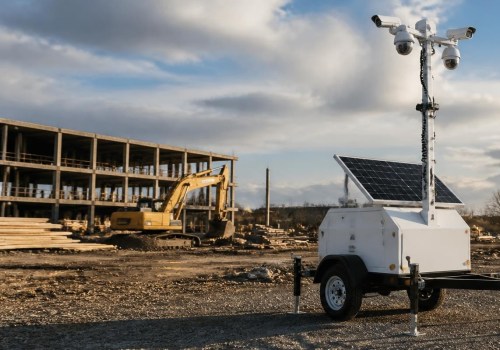
In today's world, the importance of security cannot be overstated. Businesses, event organizers, and even homeowners are increasingly turning to surveillance trailers as a reliable solution for monitoring and protecting their assets. However, before diving into the world of surveillance trailers, it is crucial to understand the permits needed for operation, including those required for a Surveillance Trailer near Silver City NVpermits needed for operation, including those required for a Surveillance Trailer near Silver City NV. The legal landscape surrounding surveillance equipment can be complex and varies significantly from one jurisdiction to another. Ignoring these regulations can lead to hefty fines, project delays, or even the dismantling of your surveillance setup.
Therefore, being informed about the permits needed for operation is not just a matter of compliance; it’s a vital step in ensuring the effectiveness and legality of your surveillance measures. This article aims to provide you with an insightful overview of the essential permits and considerations necessary for deploying surveillance trailers. By understanding these requirements, you’ll be better equipped to make informed decisions that align with local laws and best practices. So let’s explore the key aspects you need to know about permits as you embark on choosing the right surveillance trailer for your needs. When considering the use of security surveillance trailers, understanding the permits needed for operation is crucial. These permits vary significantly based on location and intended use, making it essential for users to familiarize themselves with local regulations.
Failing to secure the appropriate permits can lead to legal complications, fines, and even the cessation of operations. Different types of permits may be required depending on the specific circumstances surrounding the use of a surveillance trailer. For instance, zoning permits are often necessary to ensure that the placement of a trailer complies with local zoning laws. Building permits may also be required if the trailer is considered a structure that necessitates approval from building authorities. Temporary use permits can come into play when the trailer is needed for a short-term event or specific project. It’s important to recognize that these permits can vary widely by state or municipality.
For example, a construction site in California may require different permits compared to a public event in New York City. In some areas, additional permits may be mandated for night-time operations or for trailers that emit noise or light. Understanding these nuances helps ensure compliance with local laws and promotes safety in the community. The process of applying for these permits typically involves several steps, which users must consider carefully. Timelines can vary; some permits can be acquired quickly, while others may take weeks or even months to process.
Costs associated with applying for permits can also differ significantly based on the type of permit and the jurisdiction. Users should budget not only for the application fees but also for any potential costs associated with modifications needed to meet permit requirements. Documentation is another critical factor when applying for permits needed for operation. Applicants may need to provide detailed plans of the proposed use of the trailer, including its location, duration of use, and any safety measures being implemented. It’s advisable to consult local regulations beforehand to ensure all necessary documents are prepared ahead of time. Specific industries or situations might have additional regulations that apply.
For instance, construction sites typically have strict security requirements due to the potential hazards involved. In such cases, a comprehensive security plan detailing how the surveillance trailer will function as part of overall site security may be required. Similarly, public events might necessitate crowd control measures, which could influence permitting processes. Anecdotes from users who have navigated the permitting process reveal both successful outcomes and cautionary tales. For instance, one construction company faced significant delays when they overlooked obtaining a zoning permit before deploying their surveillance trailer.
This oversight not only delayed their project timeline but also incurred additional costs in fines and re-permitting. Conversely, another company that meticulously followed the permitting process reported not only compliance but also an increase in project efficiency due to enhanced security measures being in place from day one. These real-world examples underscore the importance of understanding and adhering to local regulations surrounding permits needed for operation. By taking the time to research and apply for the correct permits, users can avoid unnecessary complications and foster a safe environment for their intended applications.
Application Process for Permits
Understanding the application process for permits is crucial for anyone looking to utilize security surveillance trailers. The process can vary by location, but generally follows a standard set of steps. First, research the specific permits required in your area.This may include local, state, or federal regulations, depending on the intended use of the trailer. Contacting your local government office or visiting their website can provide valuable information on what is needed. Next, gather all necessary documentation. This typically includes proof of ownership or rental agreement for the surveillance trailer, a site plan showing where the trailer will be located, and any relevant safety or compliance certificates. Make sure to check if there are specific forms that need to be filled out as part of the application. After compiling the necessary documents, complete the application form.
Pay close attention to details and ensure that all required fields are filled out accurately to avoid delays. Once the application is complete, submit it along with any applicable fees. These fees can vary widely depending on your location and the type of permit you are applying for, so it’s important to confirm the amount beforehand. Finally, be prepared for a potential review period. Authorities may take time to process applications and may request additional information or inspections before granting approval. Keeping track of your application status can help you stay informed and address any issues promptly. By following these steps and ensuring compliance with all regulations, you can successfully navigate the application process for permits needed for your security surveillance trailer.
Consequences of Non-Compliance
Operating a security surveillance trailer without the necessary permits can lead to serious legal ramifications.Various jurisdictions have specific regulations that govern the use of surveillance equipment, and failing to adhere to these laws can result in significant consequences. One of the most immediate financial penalties for non-compliance is the imposition of fines. These fines can vary widely depending on the local laws and the severity of the violation. In some cases, fines may be relatively minor, while in others, they can escalate into thousands of dollars. Moreover, repeat offenders may face increased penalties and stricter enforcement actions. In addition to fines, there could also be legal fees associated with defending against any charges or lawsuits brought about by non-compliance.
This can create a substantial financial burden for individuals or businesses operating without the proper permits. Furthermore, operating without the required permits can lead to business disruptions. Authorities may shut down operations until compliance is achieved, resulting in potential loss of revenue and damage to reputation. This can be particularly detrimental for businesses that rely on security surveillance trailers for critical operations at construction sites or events. In more severe cases, continued non-compliance can result in criminal charges. Depending on the jurisdiction and specific circumstances, individuals responsible for overseeing operations could face misdemeanor or even felony charges, which carry their own sets of consequences, including incarceration. In conclusion, understanding and obtaining the necessary permits for security surveillance trailers is not just a matter of regulatory compliance; it is essential to avoid legal troubles and financial repercussions that can arise from non-compliance.
Types of Permits Required
When considering the use of security surveillance trailers, it is crucial to understand the types of permits that may be required based on your specific application.Different jurisdictions may have varying requirements, so it's essential to conduct thorough research. One primary category of permits is related to zoning laws. These regulations dictate where certain activities can take place within a municipality. If you plan to deploy a surveillance trailer in a residential area, you might face restrictions that could necessitate obtaining a special use permit. Conversely, commercial or industrial zones may have fewer limitations. Another critical type of permit is the temporary event permit.
If you intend to set up a surveillance trailer for a specific event, such as a concert or festival, this permit ensures that you comply with local ordinances governing public gatherings. Temporary permits typically include stipulations regarding the duration of the installation and may require notifying local authorities. Additionally, some areas may require building permits, particularly if the trailer will be placed on a permanent or semi-permanent basis. These permits ensure that the installation meets safety standards and does not obstruct public access. It’s also important to consider environmental permits, especially if your surveillance trailer will be deployed in sensitive areas. This can include wetlands or locations that are home to protected species, where additional regulations may apply. Ultimately, understanding the various permits needed for your specific use case is vital to avoid legal repercussions.
Operating without the necessary permits can result in fines, forced removal of the trailer, or even legal action from local authorities. Therefore, always verify what is required in your area before proceeding with your surveillance trailer deployment.
Real-World Examples
Understanding the permits needed for operation of security surveillance trailers can significantly impact various projects, as demonstrated in several real-world scenarios. These examples illustrate both the successful acquisition of permits and the challenges that can arise when compliance is overlooked. One notable case involved a construction company in California that needed to deploy a security surveillance trailer on-site to monitor ongoing work. The project manager recognized early on that obtaining the necessary permits needed for operation was crucial.They proactively researched local regulations and engaged with municipal authorities to secure their permits ahead of time. As a result, the company experienced no delays in deployment and was able to operate smoothly, enhancing site security and preventing theft. In contrast, another case from Texas highlights the consequences of neglecting permit requirements. An event organizer set up a surveillance trailer for a large outdoor festival without first checking local compliance rules. When city officials arrived on-site, they discovered the trailer was operating without the required permits needed for operation.
This oversight resulted in a temporary shutdown of operations, leading to significant financial losses and damage to the event's reputation. The organizer had to scramble to obtain the necessary permits, which delayed the event's start time and caused frustration among attendees. These examples underscore the importance of understanding and adhering to the permits needed for operation when utilizing security surveillance trailers. Successful case studies demonstrate that with proper planning and compliance, businesses can effectively enhance security measures, while others remind us of the potential pitfalls associated with inadequate research and preparation. In conclusion, understanding the permits needed for operation of security surveillance trailers is crucial for anyone considering their use. As discussed, various types of permits are required depending on the location and intended application, whether it be for construction sites or events.
The application process for permits can vary, but thorough preparation and awareness of local regulations can streamline this process. Moreover, the consequences of non-compliance can be severe, resulting in legal issues and potential fines. Real-world examples illustrate the importance of adhering to these regulations, showcasing the potential pitfalls of operating without the necessary permits. Therefore, we strongly encourage readers to conduct comprehensive research on their local laws and regulations before proceeding with the use of surveillance trailers. Ensuring you have the correct permits in place not only safeguards your operation but also contributes to a responsible and lawful use of surveillance technology.