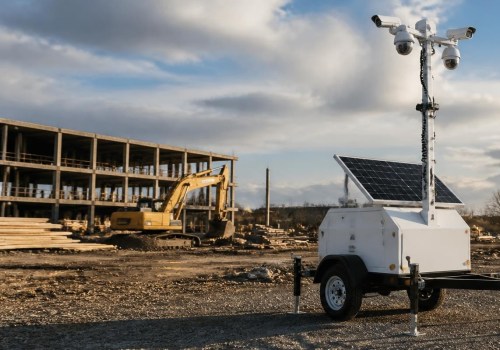
In an age where security is of paramount importance, the role of surveillance equipment has never been more critical. As businesses, municipalities, and individuals invest in these technologies to protect their assets and ensure safety, understanding the Safety Standards for Surveillance Equipment becomes essential. These standards not only dictate the operational effectiveness of the equipment but also ensure that it complies with legal and ethical guidelines. As you embark on your journey to choose the right Surveillance Trailer near Los Alamos NMSurveillance Trailer near Los Alamos NM, it’s vital to grasp the intricacies of safety standards that govern this equipment. With an array of options available in the market, from high-definition cameras to advanced monitoring systems, each piece of Surveillance Trailer near Los Alamos NM gear must adhere to specific regulations to function properly and safely.
Navigating through these standards can be daunting; however, they serve as a crucial foundation that guarantees reliability and protects users from potential liabilities. This article will delve into the fundamental safety standards that influence the design, installation, and operation of surveillance equipment. By understanding these guidelines, you will not only enhance your knowledge but also make informed decisions when selecting surveillance solutions that align with both safety and regulatory compliance. Join us as we explore the landscape of safety standards in surveillance technology, empowering you to secure your environment effectively and responsibly. Surveillance trailers have become essential tools in various security applications, providing a mobile and flexible solution for monitoring and protecting assets. The market offers a variety of surveillance trailers, each equipped with unique features and specifications tailored to meet specific security needs.
Some models are designed for urban environments, featuring compact designs and advanced camera systems that can capture high-resolution footage in tight spaces. Others are built for rugged outdoor conditions, with reinforced structures and weatherproof enclosures to withstand harsh elements. Understanding the importance of safety standards in these trailers is crucial. Safety standards ensure that the equipment used in surveillance trailers maintains structural integrity, which is vital for both the durability of the trailer and the safety of personnel involved in its operation. These standards cover aspects such as the materials used in construction, load-bearing capabilities, and the overall design of the trailer. Electrical compliance is another critical component of safety standards.
Surveillance trailers often include various electronic devices, from cameras to lighting systems, which must adhere to electrical safety regulations. This compliance ensures that all electrical components function correctly without posing hazards such as short-circuiting or fire risks. Additionally, environmental considerations are essential; trailers must be equipped to operate effectively in diverse weather conditions while minimizing their environmental footprint. For instance, comparing different models reveals significant differences in their safety features and operational capabilities. The ABC Surveillance Trailer, known for its robust construction and advanced camera technology, includes features such as high-definition night vision and motion detection sensors, ensuring comprehensive coverage.
In contrast, the XYZ Mobile Unit is lighter and more portable but sacrifices some structural robustness for maneuverability. These differences highlight how safety standards affect not only compliance but also the effectiveness of surveillance operations. When considering rental options for surveillance trailers, it's important to understand how rental agreements can influence safety compliance. Many rental companies maintain their equipment to meet safety standards rigorously, ensuring that users have access to reliable and compliant trailers. However, it is essential for users to review rental agreements carefully to confirm that all safety checks are performed regularly and documented adequately. Scenarios where surveillance trailers are utilized range widely, from securing construction sites to monitoring large public events.
For instance, on a construction site, a surveillance trailer can provide continuous monitoring to deter theft or vandalism while ensuring that safety protocols are followed. Event monitoring using these trailers allows for real-time surveillance of crowds, helping security personnel respond swiftly to incidents while maintaining a safe environment. Users may have concerns regarding safety and compliance when operating surveillance trailers. Common issues include the potential for equipment malfunction or failure to meet regulatory requirements. To mitigate these concerns, it is advisable to conduct regular maintenance checks and ensure that all components are functioning correctly.
Implementing best practices such as proper training for personnel operating the trailer can also enhance safety measures. In conclusion, understanding the various types of surveillance trailers available in the market along with their unique features helps users make informed decisions. By recognizing the critical role that safety standards play in ensuring structural integrity, electrical compliance, and environmental considerations, users can better appreciate how these factors contribute to effective surveillance operations. When combined with practical scenarios and best practices for compliance, this knowledge equips users with the tools necessary to navigate the complexities of selecting and utilizing surveillance trailers effectively.
Rental Options and Compliance
When considering rental options for surveillance equipment, particularly surveillance trailers, it is crucial to understand how these choices can impact compliance with safety standards. Rental companies may offer a variety of equipment, but not all of them adhere to the same safety regulations.This variance can significantly affect the effectiveness and reliability of the surveillance systems deployed. First and foremost, it is important to verify that the rental equipment meets local and national safety standards. This includes compliance with regulations regarding electrical safety, environmental impact, and operational efficiency. Failing to ensure this compliance can lead to serious consequences, including legal liability and compromised security. Additionally, renters should inquire about the maintenance history and inspection records of the equipment. Regular maintenance ensures that the surveillance trailers function correctly and safely.
A rental company that prioritizes compliance with safety standards will be transparent about the upkeep of their equipment. Another factor to consider is the training provided for using the rented equipment. Proper training ensures that operators understand how to handle the surveillance trailers safely and effectively. This education is vital for maintaining compliance with safety standards, as improper use can lead to accidents or failures in security operations. Lastly, renters should look for rental agreements that outline the responsibilities of both parties regarding safety standards. This ensures that there is a clear understanding of who is accountable for compliance throughout the rental period.
By taking these considerations into account, users can make informed decisions when renting surveillance equipment, ultimately enhancing their security operations while adhering to necessary regulations.
Types of Surveillance Trailers
When considering Safety Standards for Surveillance Equipment, it's crucial to understand the various models of surveillance trailers available on the market. Each model comes equipped with specific features that cater to different security needs while adhering to safety regulations. The first type is the Mobile Surveillance Trailer. These trailers are designed for flexibility and can be deployed in various locations. They often include features such as 360-degree camera systems and motion detection technology, which enhance their effectiveness.Safety standards for mobile trailers typically focus on stability during transport and operation, ensuring they remain secure even in adverse conditions. Next, we have the Fixed Surveillance Trailer. This type is usually stationed at a permanent location and is equipped with high-resolution cameras and long-range night vision capabilities. Safety considerations for fixed trailers often involve ensuring that the equipment is weatherproof and resistant to vandalism, thus maintaining operational integrity over time. Another model is the Solar-Powered Surveillance Trailer. These environmentally friendly options utilize solar panels to operate their systems, reducing the need for external power sources.
Safety standards here focus on electrical safety and ensuring that the solar components are securely installed to prevent accidents. Lastly, there are Customizable Surveillance Trailers. These trailers can be tailored to meet specific client needs, incorporating a variety of features such as additional storage, communication systems, or enhanced security measures. The customization process must comply with safety standards to ensure that all added components are safely integrated. Understanding these different models and their safety features is vital for users looking to make informed decisions about surveillance equipment. By adhering to established safety standards, these trailers not only provide effective surveillance but also ensure user safety and compliance with regulatory requirements.
Comparative Analysis of Models
When selecting a surveillance trailer, it is crucial to conduct a comparative analysis of different models based on safety standards, pricing, and user reviews.Understanding how various options stack up against established safety benchmarks can significantly influence your purchasing decision. First, let’s examine the safety standards associated with various surveillance trailer models. Different manufacturers may adhere to various certifications such as ISO 9001, which indicates a focus on quality management systems, or UL listings that ensure electrical components meet safety requirements. Comparing these certifications can help identify which models offer superior protection and reliability. Next, pricing is a vital factor in the decision-making process. While it may be tempting to opt for the cheapest option, it’s essential to consider the long-term value.
Models that comply with higher safety standards might come at a premium but could save costs related to maintenance and liability in the long run. A detailed price comparison will reveal whether the additional investment in safety features is justified. User reviews provide real-world insights into how well a model performs in practical applications. By aggregating feedback on aspects such as ease of use, durability, and adherence to safety standards, potential buyers can gauge the reliability of each trailer. Look for common themes in user experiences regarding safety features—such as alarms, secure storage, and weather-resistant materials—that can inform your choice. In summary, a thorough comparative analysis of surveillance trailer models should encompass safety standards, pricing, and user reviews.
This multifaceted approach will equip you with the knowledge needed to select a model that not only meets your security needs but also ensures safety and compliance.
Key Safety Features and Specifications
When selecting a surveillance trailer, understanding the key safety features is essential to ensure both effective operation and compliance with industry standards. Buyers should prioritize several critical specifications that contribute to the overall safety and reliability of the equipment. First and foremost, structural integrity is crucial. Surveillance trailers should be constructed from high-quality materials that can withstand various environmental conditions. Look for trailers built with durable steel frames and weather-resistant coatings, which enhance longevity and performance. Another important feature is the electrical safety systems.Buyers should seek trailers equipped with certified electrical components that adhere to national safety standards. This includes properly grounded systems, circuit breakers, and weatherproof connectors to prevent electrical hazards. The camera housing is also a vital consideration. Ensure that the surveillance equipment is housed in protective casings designed to resist tampering and environmental factors such as rain, dust, and extreme temperatures. IP (Ingress Protection) ratings can help buyers gauge the level of protection against foreign objects and moisture. Additionally, lighting features should not be overlooked.
Adequate illumination around the trailer enhances visibility during nighttime operations. Look for trailers with integrated LED lighting or options for additional floodlights to improve security monitoring capabilities. Moreover, consider the mobility safety aspects of the trailer. Check for reliable braking systems, sturdy axles, and appropriate weight distribution to ensure safe towing and maneuverability on various terrains. Lastly, it's essential to evaluate the user interface. A clear and intuitive control panel can significantly enhance operational safety by allowing users to manage surveillance functions without confusion or distraction. In summary, when choosing a surveillance trailer, focusing on these safety features will not only ensure compliance with safety standards but also enhance the effectiveness of security measures implemented through the equipment.
Applications of Surveillance Trailers
Surveillance trailers have become indispensable tools in various sectors, offering flexible and mobile solutions for security and monitoring needs.Their applications span multiple contexts, including law enforcement, event security, construction sites, and public safety initiatives. In law enforcement, surveillance trailers are often deployed in high-crime areas to deter illegal activities. These trailers can be equipped with high-definition cameras and motion sensors, providing real-time footage that is essential for investigations. Adhering to safety standards in this context ensures that the equipment operates effectively under diverse environmental conditions, thereby maintaining the integrity of evidence collected. During large-scale events, such as concerts or festivals, surveillance trailers play a crucial role in crowd management and safety monitoring. They provide a centralized view of the venue, allowing security personnel to respond swiftly to incidents.
Compliance with safety standards guarantees that the equipment can withstand varying weather conditions and operate continuously without failure, which is vital for real-time surveillance. Construction sites are another area where surveillance trailers are increasingly utilized. These mobile units help monitor site activity, prevent theft of materials, and ensure worker safety. By following established safety standards, these trailers can be equipped with features like night vision capabilities and alarms, ensuring they function properly regardless of the time or conditions. Finally, public safety initiatives, such as monitoring traffic or managing public spaces, benefit significantly from the deployment of surveillance trailers. These units help local authorities maintain safety in urban environments by providing insights into traffic patterns and potential hazards.
Ensuring compliance with safety standards not only enhances the reliability of these trailers but also reinforces public trust in surveillance practices. In conclusion, the diverse applications of surveillance trailers across various sectors highlight their importance in enhancing security and safety measures. By adhering to established safety standards, users can ensure that these tools remain effective and reliable in their operations. In conclusion, adhering to Safety Standards for Surveillance Equipment is crucial when selecting surveillance trailers. These standards not only guarantee the quality and reliability of the equipment but also enhance the overall effectiveness of security measures. By understanding the various types of surveillance trailers and their key safety features, users can make informed decisions that align with their specific security needs. Furthermore, considering rental options and ensuring compliance with regulations are essential steps in optimizing security strategies.
Ultimately, prioritizing safety standards leads to improved performance and trust in surveillance systems, paving the way for better protection and peace of mind.